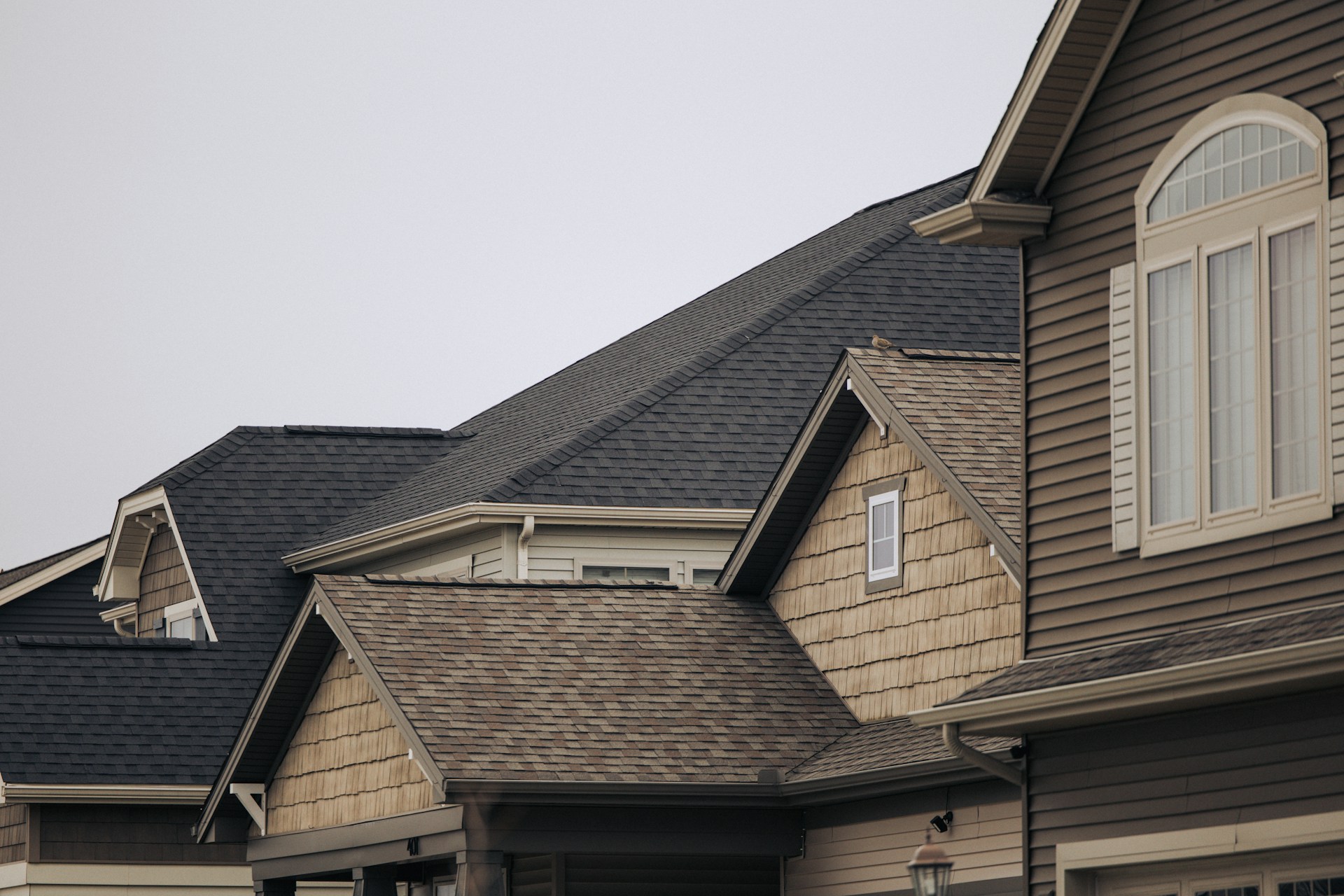
Missing Shingles After a Windstorm: What Brantford Homeowners Should Do
If wind has blown shingles off your roof, fast action can help prevent leaks, water damage, and more expensive roof repairs.
Windstorms can be tough on Brantford homes, especially when strong gusts lift, loosen, or completely remove roof shingles. At first, a few missing shingles may not seem like a major problem, but even a small exposed section can leave your roof vulnerable to rain, melting snow, moisture, and further storm damage.
If you notice shingles in your yard, visible bare spots on your roof, or new signs of water entering your home, it is important to take the issue seriously. Missing shingles are one of the most common signs that your roof needs professional attention, and acting quickly can often prevent a small repair from becoming a larger roofing problem.
Why Missing Shingles After a Windstorm Are a Serious Problem
Your shingles are the first layer of protection on your roof. They help shed water, protect the roof deck, and prevent moisture from getting into the home. When shingles are blown off during a windstorm, the area underneath becomes more exposed to rain, snow, ice, and debris.
In Brantford, weather can shift quickly. A windstorm may be followed by rain, freezing temperatures, or heavy moisture, which means a small damaged section can quickly become a leak risk. Even if you do not see water inside right away, missing shingles can still weaken the surrounding roofing materials.
Common risks include:
Water getting beneath the remaining shingles
Damage to the roof underlayment
Soft or weakened roof decking
Interior ceiling stains
Attic moisture
Mold or insulation damage
More shingles lifting during the next storm
This is why homeowners should not ignore missing shingles after a windstorm. A fast inspection and repair can help protect the roof before the damage spreads.
What to Do First If You Notice Missing Shingles
If you suspect wind damage, start by checking your property safely from the ground. Do not climb onto the roof, especially after a storm. Roofing surfaces can be slippery, unstable, or damaged in ways that are not visible from below.
Walk around the exterior of your home and look for:
Shingles in the yard
Pieces of roofing material near downspouts
Bare patches on the roof
Lifted, curled, or creased shingles
Damaged flashing around chimneys or vents
Loose gutters or fascia
Water stains on ceilings or walls inside the home
Take photos of anything you notice. This can be helpful if you need to discuss the damage with a roofer or your insurance provider.
If you see exposed roofing, active leaking, or multiple missing shingles, the next step is to schedule professional roof repair in Brantford as soon as possible.
Do Not Try to Repair Missing Shingles Yourself
It may be tempting to climb up and nail down a few replacement shingles, but DIY roof repair can be risky. Wind damage is not always limited to the shingles you can see. Nearby shingles may be lifted, loosened, or damaged along the seal strips, which can make the surrounding area vulnerable even if it still appears intact.
A professional roofer can inspect the full damaged section, check whether the underlayment has been exposed, and determine whether a simple shingle repair is enough. In some cases, replacing a few shingles may solve the issue. In other cases, the wind may have damaged a larger roof section that needs more careful repair.
Professional repair also helps ensure the new shingles are installed properly, sealed correctly, and matched as closely as possible to the existing roof.
When Missing Shingles Can Lead to a Roof Leak
Missing shingles do not always cause an immediate leak, but they increase the risk significantly. The severity depends on where the shingles are missing, how much underlayment is exposed, the age of the roof, and how much rain or snow follows the storm.
A leak is more likely if missing shingles are located near:
Roof valleys
Chimneys
Skylights
Plumbing vents
Wall intersections
Low-slope roof sections
Areas where water naturally drains
If you notice dripping water, ceiling stains, damp insulation, or a musty smell after a storm, the issue may already be affecting the inside of your home. In that case, review what to do if your roof is leaking and arrange a professional assessment quickly.
Why a Roof Inspection Matters After Wind Damage
Not all wind damage is obvious. Sometimes shingles remain in place but lose their seal, lift at the edges, crack, crease, or loosen around the nails. These issues can make the roof more vulnerable during the next storm.
That is why roof inspections in Brantford are especially valuable after strong winds. A professional inspection can identify hidden damage before it turns into a leak or a larger repair.
During a wind damage inspection, a roofer may check:
Missing shingles
Lifted or loose shingles
Cracked or creased shingles
Exposed nail heads
Damaged flashing
Soft spots in the roof deck
Gutter damage
Vent and chimney seals
Signs of moisture in vulnerable areas
This gives you a clearer answer on whether you need a small repair, a larger section repair, or a more serious roofing solution.
Should You Call Insurance for Missing Shingles?
In some cases, homeowners insurance may help cover roof damage caused by windstorms, depending on the policy, the age of the roof, and the cause of the damage. Before making a claim, it is often helpful to document the damage and have a roofing professional inspect the roof.
You should consider contacting your insurance provider if:
A large number of shingles are missing
There is interior water damage
The roof was damaged by a major storm
Other exterior materials were damaged too
The repair may be more than a minor fix
However, if only one or two shingles are missing, the repair may cost less than the deductible. A professional inspection can help you understand the scope of the issue before deciding how to proceed.
Can Missing Shingles Be Repaired, or Does the Roof Need Replacement?
Many cases of missing shingles can be repaired, especially when the roof is still in good condition overall. If the damage is isolated, a roofer may be able to replace the missing shingles, secure nearby shingles, and check the exposed area for moisture issues.
However, roof replacement may become a better option if:
The roof is already near the end of its lifespan
Shingles are brittle, curling, or cracking across the roof
Wind damage is widespread
The roof has recurring leaks
Multiple previous repairs have failed
The decking or underlayment is compromised
For most Brantford homeowners, the best first step is not to assume the worst. Get the damage inspected, confirm the condition of the roof, and then choose the repair option that makes the most sense.
How Brantford Weather Makes Wind Damage Worse
Brantford homes deal with a mix of wind, rain, snow, ice, humidity, and seasonal temperature changes. This combination can be hard on asphalt shingles, especially as the roof ages.
Strong winds can lift shingles. Rain can push moisture beneath loosened areas. Freeze-thaw cycles can expand small openings. Snow and ice can add weight and trap moisture against vulnerable sections of the roof.
That means missing shingles should not be treated as a cosmetic issue. In Southern Ontario weather, exposed roofing materials can deteriorate faster than many homeowners expect.
Signs You Need Urgent Roof Repair After a Windstorm
Some wind damage can wait a short time for a scheduled inspection, but other signs should be handled quickly.
Call for roof repair as soon as possible if you notice:
Water leaking into the home
Multiple missing shingles
A large exposed roof section
Shingles missing near a valley, chimney, or vent
Sagging or soft-looking roof areas
Wet insulation in the attic
Ceiling stains after the storm
Loose flashing or damaged roof vents
The faster these problems are addressed, the better chance you have of preventing more expensive repairs.
How Professional Roofers Repair Missing Shingles
A proper repair starts with more than simply replacing the visible missing shingles. A professional roofer will usually inspect the surrounding area to determine whether the wind damaged adjacent shingles, fasteners, seal strips, flashing, or the underlayment.
The repair process may include:
Removing damaged shingles
Checking the exposed underlayment
Replacing missing or broken shingles
Securing surrounding loose shingles
Sealing vulnerable edges
Inspecting nearby roof penetrations
Checking for signs of water entry
Confirming the repaired area is weather-ready
This approach helps protect the roof as a system instead of only fixing the most obvious missing piece.
Preventing Future Wind Damage
While no roof is completely windproof, regular maintenance can help reduce the risk of shingles blowing off during storms.
Homeowners can help protect their roof by:
Scheduling roof inspections after major storms
Replacing damaged shingles early
Keeping gutters clear
Trimming branches near the roof
Watching for curling or lifted shingles
Repairing flashing issues quickly
Addressing small leaks before they spread
Older roofs are more vulnerable to wind damage, so if your shingles are aging, brittle, or frequently coming loose, it may be time to discuss longer-term roofing options.
Get Missing Shingles Repaired Before the Damage Spreads
Missing shingles after a windstorm should never be ignored. Even a small exposed area can allow moisture into the roofing system, especially when Brantford weather brings rain, snow, or freezing conditions shortly after a storm.
If you have noticed shingles in your yard, bare patches on your roof, or signs of a leak inside your home, schedule a professional roof inspection and repair as soon as possible. Fast service can help protect your home, prevent water damage, and extend the life of your roof.
For homeowners dealing with wind damage, missing shingles, or possible leaks, professional roofing help is the safest way to restore protection and keep the home secure.
Have a roofing project in Brantford or Brant County? Give us a call and we'd be happy to help with your project!